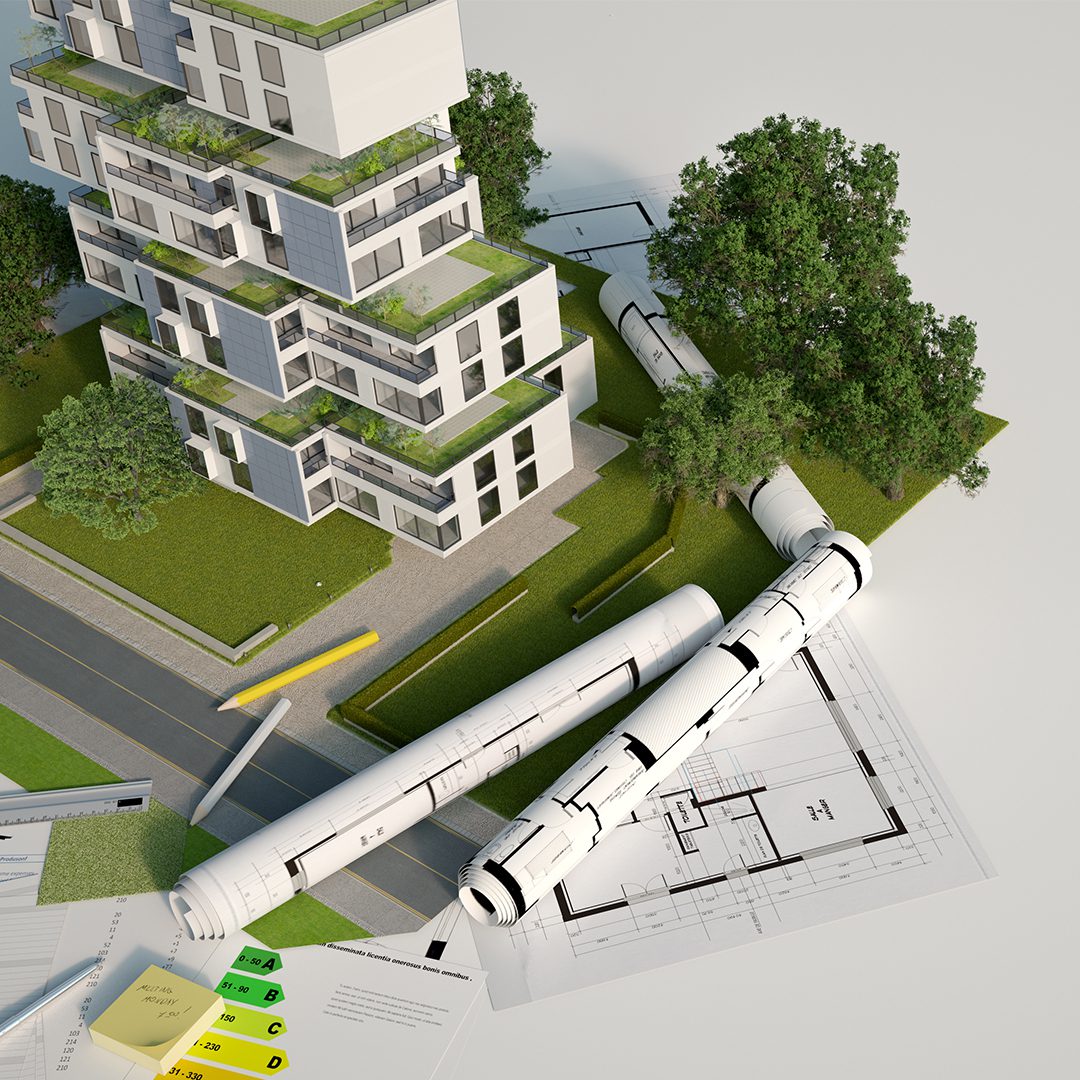
Architecture in Canada represents both an art and a science dedicated to designing buildings and spaces that serve human needs while balancing creativity, functionality, and environmental responsibility. The architecture profession plays a vital role in shaping Canadian communities, contributing to economic development, cultural identity, sustainability, and the overall well-being of society through thoughtful design that goes far beyond aesthetics.
Learn More
What is Architecture?
Architecture is both an art and a science dedicated to the design and creation of buildings, spaces, and environments that serve human needs. It involves shaping the physical world in ways that are functional, safe, aesthetically pleasing, and responsive to their surroundings. At its essence, architecture is about balancing creativity and practicality — transforming ideas and human experiences into tangible, built forms.
From a practical standpoint, architecture focuses on how buildings function — how people use and move through spaces, how structures stand, and how materials perform over time. It integrates technical knowledge of construction, engineering, and environmental systems to ensure that designs are structurally sound, energy-efficient, and sustainable.
At the same time, architecture is a form of artistic expression. It conveys culture, identity, and emotion through form, proportion, light, and material. Every building tells a story about the people, place, and time that created it. From historic cathedrals and Indigenous longhouses to modern skyscrapers and community centers, architecture reflects the values and aspirations of society.
Architecture also plays a vital social and environmental role. It shapes the way people live and interact, influencing comfort, accessibility, and well-being. In today’s world, architects must also address global challenges such as climate change, urbanization, and sustainability by designing buildings that reduce environmental impact and support resilient communities.
Value of Architecture
The value of the architecture profession in Canada lies in its profound impact on the quality, safety, and sustainability of the built environment. Architects play a central role in shaping how Canadians live, work, and interact within their communities. Their work goes far beyond creating aesthetically pleasing buildings — it contributes to economic development, cultural identity, environmental responsibility, and the overall well-being of society.
Architects add value by ensuring that buildings are not only functional and safe but also enhance the human experience. Through thoughtful design, they create spaces that foster productivity, inclusivity, and connection. Whether designing homes, schools, hospitals, or public spaces, architects address both individual and community needs, balancing form, function, and emotion in their work. They also help preserve Canada’s architectural heritage while introducing innovative and forward-looking design approaches that reflect the country’s diversity and modern values.
Economically, the architecture profession supports a major sector of Canada’s economy by driving construction, urban development, and infrastructure projects. Architects help clients make informed decisions that optimize resources, reduce long-term operational costs, and increase property value. Their expertise in project management and coordination ensures that complex developments are executed efficiently and responsibly.
From an environmental perspective, architects are leaders in sustainable design and climate action. They integrate energy-efficient technologies, renewable materials, and environmentally conscious strategies that reduce carbon emissions and promote resilience in the face of climate change. This aligns with Canada’s commitment to sustainability and green building initiatives.
Culturally, architecture enriches Canada’s identity by reflecting local values, Indigenous heritage, and contemporary aspirations through design. Architects have the power to shape cities and communities in ways that promote accessibility, equity, and cultural expression.
Finally, the profession holds significant social value. By prioritizing public health, safety, and welfare, architects ensure that the built environment supports human well-being and community life. Their professional ethics and accountability to regulatory bodies ensure that projects serve both clients and the broader public interest.
In essence, the architecture profession in Canada is valuable not only for its creative and technical contributions but also for its broader role in building sustainable, inclusive, and inspiring communities across the country.
Role of the Architect
In Canada, the role of the architect is diverse, combining creativity, technical expertise, and professional responsibility. Architects are responsible for designing buildings and spaces that are functional, safe, sustainable, and visually appealing. They begin by consulting with clients to understand their needs, budget, and vision, and by analyzing the site’s physical, environmental, and cultural context. From these studies, they develop design concepts and produce detailed drawings and specifications that guide the construction process. Architects also collaborate closely with engineers and other consultants to ensure that all structural, mechanical, and electrical systems are properly integrated.
Beyond design, architects play a vital legal and regulatory role. Only licensed professionals, registered with their provincial or territorial association, may legally call themselves architects or take responsibility for architectural projects. They must ensure that their designs comply with the National Building Code of Canada as well as local bylaws and safety standards. During the construction phase, architects often manage bidding and tendering, oversee construction progress, and administer contracts to ensure that the project aligns with approved plans and specifications.
Sustainability is an increasingly important aspect of the architect’s role in Canada. Architects are expected to incorporate energy efficiency, environmentally friendly materials, and sustainable design principles such as LEED, Passive House, or net-zero energy standards. Their work contributes to reducing carbon footprints and creating climate-resilient buildings. Ethically, architects must act in the public interest and adhere to codes of conduct established by their professional associations, balancing client needs with broader social and environmental responsibilities.
Becoming an architect in Canada requires completing a master’s degree from a program accredited by the Canadian Architectural Certification Board (CACB), completing an internship through the Intern Architect Program (IAP), and passing the Examination for Architects in Canada (ExAC). Continuous professional development is also mandatory to maintain licensure. Each province and territory regulates the profession through its own governing body, such as the Ontario Association of Architects (OAA), the Architectural Institute of British Columbia (AIBC), or the Ordre des Architectes du Québec (OAQ). Overall, architects in Canada play a crucial role in shaping the built environment while ensuring safety, sustainability, and quality in every project.
Definitions
Architect
A Canadian architect is a person or entity registered, licensed, or otherwise authorized exclusively to use the title “architect” and to practise architecture in a province or territory of Canada.
Architectural competition
A method of selecting a design and an architect for a sponsor’s design requirements.
Competition brief
A document that includes all instructions to competitors for participating in a competition, including submission requirements and a functional program (see below).
Endorsed architectural competition
This competition includes a professional advisor, abides by a jury’s decision, is endorsed by the appropriate provincial or territorial association of architects or the RAIC, and leads to a commission for the winning architect.
Functional program
A written statement which describes various criteria and data for a building project, including design objectives, site requirements and constraints, spatial requirements and relationships, building systems and equipment, and future expandability.
Invited competition
An invited competition is one in which architect eligibility is on an invitation-only basis.
Jury
The jury for an architectural competition is a body assembled to evaluate competitors’ submissions and select the winning design and other award winners based on the competition criteria.
Limited competition
Limited competitions in Canada restrict the number of licensed architects who can compete and must be endorsed. Restrictions are usually geographic, namely, within Canada, a province, or a municipality.
Non-endorsed design competition
This competition is neither endorsed by the appropriate provincial or territorial association of architects nor the RAIC. It may or may not have a professional advisor or use a jury for decision-making. It may or may not lead to a commission for the winning architect.
Open competition
An open competition can be entered by any registered architect and follows the regulations of the International Union of Architects (UIA) and, therefore, is international in scope.
One-stage competition
A one-stage competition is a competition where the winning design is selected from the initial, qualifying submissions received from all registered architects who enter the competition.
Professional advisor
A professional advisor advises a sponsor and helps to administer an endorsed architectural competition. It is highly recommended that a professional advisor also be engaged for a non-endorsed design competition. A professional advisor must be an architect, registered or licensed to practice architecture in one or more Canadian provinces or territories.
Qualifications-based selection (QBS)
Qualifications-based selection (sometimes called “quality-based selection”) is a procurement process that allows an owner, client, or sponsor to choose an architect on the basis of professional qualifications and competence. The fee quotation is not a consideration in the selection process.
In the United States, the 1972 Brooks Act established QBS as the procurement process by which architects and engineers are selected for design contracts by federal design and construction agencies. In this type of related selection process (see below), contracts are negotiated on the basis of demonstrated competence and qualification for the type of professional services required at a fair and reasonable price.
The RAIC provides more online information on QBS in the Choosing an Architect section of the website.
Related selection process
In selection processes, architects are chosen by other criteria than those usually set by a competition although some elements of a competition may be included.
Sponsor (also known as Client)
The sponsor initiates and funds a competition.
Technical committee
The technical committee can be an individual or a group who assesses either the competition or submissions for a competition if the technical or budgetary requirements are unusual and/or complex.
Two-stage competition
A two stage competition is a competition where the sponsor wishes to narrow the number of registered architects who participate in the final selection process.
In the first stage, the sponsor usually requests limited design submission such as a concept design.
The sponsor chooses those architects who can compete in the second stage.