
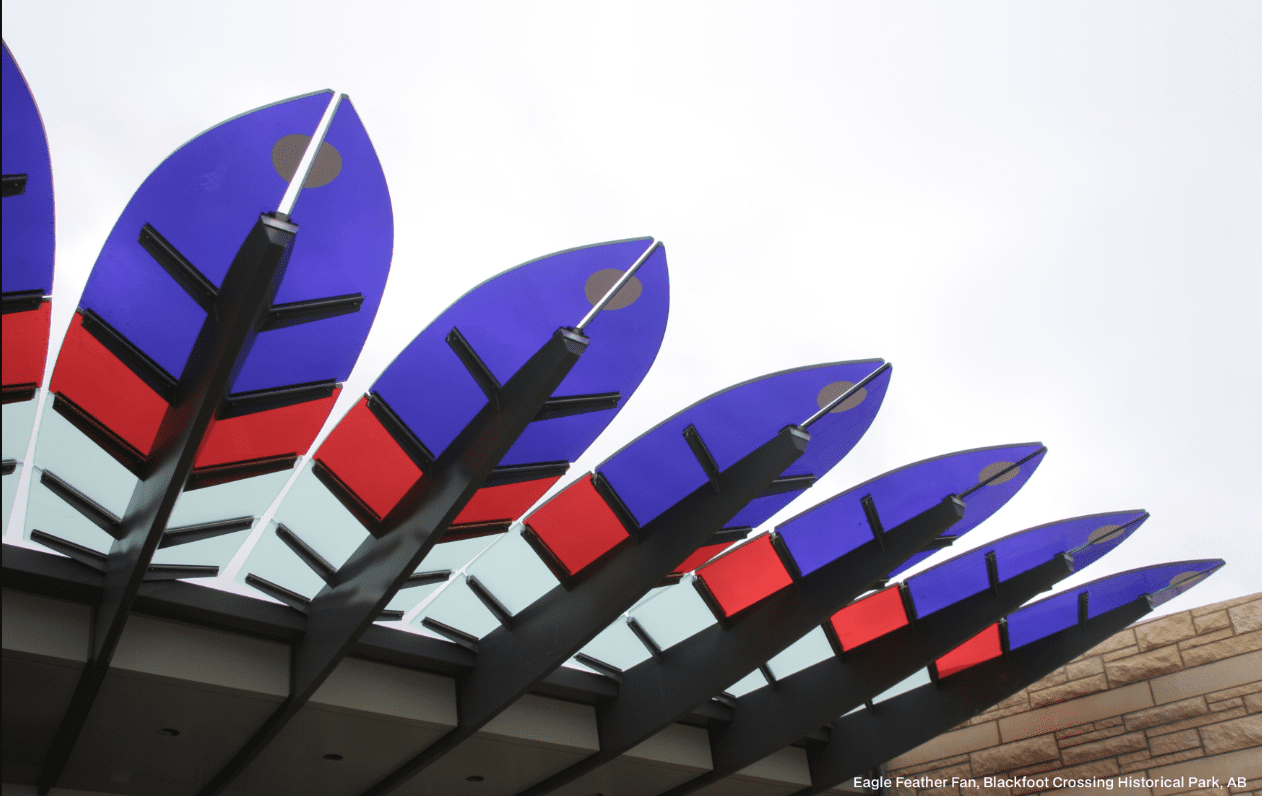
Reconciliation in architecture must go beyond symbolism—it must shape how we design, plan, and teach.
Alfred Waugh, FRAIC
Land Acknowledgement
We acknowledge that the national office of the RAIC is located within the traditional unceded, unsurrendered, and occupied territory of the Algonquin Anishinaabe people. The RAIC honours the peoples and land of the Algonquin Anishinaabe Nation and all First Nations, Inuit and Métis peoples and their valuable past, present and future contributions to this land. The RAIC acknowledges the historical oppression of lands, cultures and the original Peoples of Turtle Island (what we now know as North America) as well as the role architects and architecture played in that oppression. As the national advocacy body for architecture in Canada, the RAIC respects and affirms the inherent and Treaty Rights of all Indigenous Peoples across this land as well as those outlined in the United Nations Declaration on the Rights of Indigenous People.
The RAIC is committed to listening, un/learning and taking action along this journey together.
The RAIC honours the generosity of the members of the RAIC Truth and Reconciliation Task Force and Indigenous Task Force.
Our Ongoing Commitment
Truth comes before reconciliation. We must continue moving toward respect, accountability, and real partnership.
Sim’oogit Ksi-Baxhlkw | Dr. Patrick R. Stewart, FRAIC (Nisga’a), FRAIC
At the RAIC, reconciliation is not a symbolic gesture. It is a commitment to act, intentionally, respectfully, and with accountability, to repair relationships, address injustice, and create ethical space for Indigenous leadership and knowledge to shape the future of architecture in Canada.
We recognize that architecture has historically played a role in colonization and the displacement of Indigenous peoples. As the national voice for architecture in Canada, the RAIC is committed to transforming that legacy into one of allyship, respect, and meaningful partnership.
Our work in truth and reconciliation is grounded in:
In 2021, the RAIC formally adopted UNDRIP as a foundational framework. This decision was led by the Truth and Reconciliation Task Force (TRTF) and supported unanimously by our membership. UNDRIP continues to guide how we think, design, advocate, and teach.
We understand that truth precedes reconciliation. This means listening deeply to Indigenous voices, acknowledging past and present harms, and making space for Indigenous ways of knowing, doing, and being to inform every aspect of architectural practice. It also means shifting power, supporting Indigenous-led work, initiatives, and leadership within the profession.
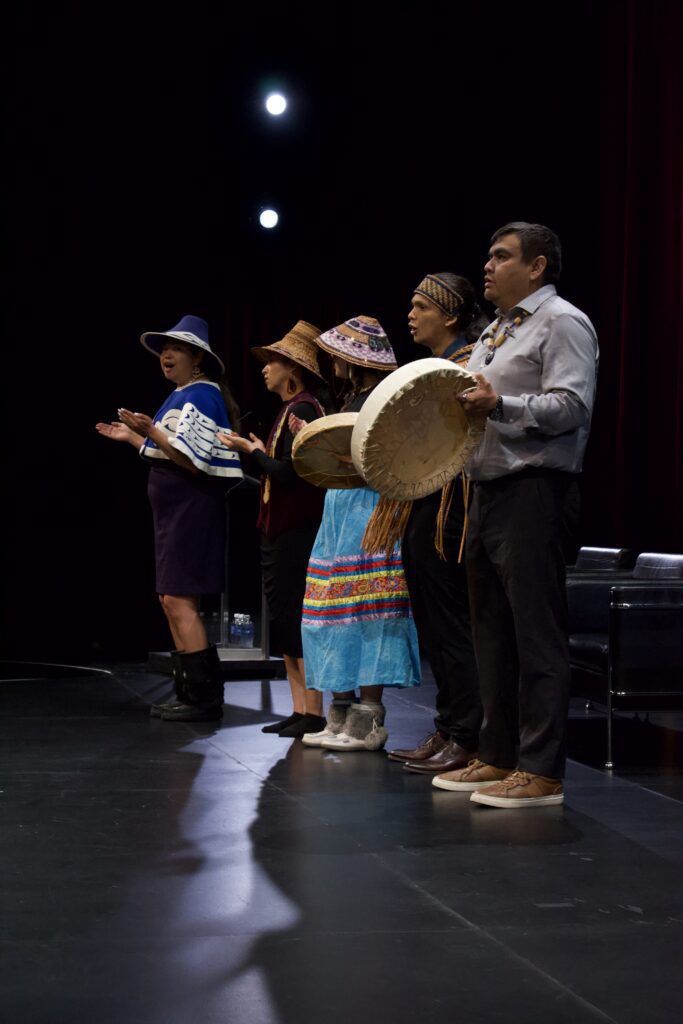
A Values-Based Approach
The RAIC’s 2025–2027 Strategic Plan commits to reconciliation as a core organizational value. This commitment shapes how we engage in:
- Advocacy efforts that amplify Indigenous voices and support Indigenous initiatives
- Education programs that encourage cultural safety and competency
- Events that honour Indigenous knowledge keepers, students, and Elders
- Policy review and reform aligned with UNDRIP and the 94 Calls to Action
- Creating opportunities for mentorship, leadership, and community collaboration
We aim to breathe life into the Declaration’s articles and the Calls to Action, not just within RAIC operations, but throughout the broader architectural community.
Principles Guiding Our Work:
Our work is guided by Indigenous frameworks such as Ethical Space and Etuaptmumk (Two-Eyed Seeing).

Ethical Space
Ethical Space is a concept introduced by Cree scholar Dr. Willie Ermine. It describes a meeting ground between Indigenous and Western worldviews, one that requires humility, respect, and mutual accountability. Ethical Space invites us to approach reconciliation not as a checklist, but as an ongoing relationship rooted in reciprocity.

Two-Eyed Seeing
Two-Eyed Seeing (Etuaptmumk) is a principle shared by Mi’kmaq Elders Albert and Murdena Marshall from Unama’ki (Cape Breton). It encourages us to see the world through both Indigenous and Western lenses, using the strengths of each to guide decision-making, design, and leadership.
These principles invite us to approach reconciliation with humility, respect, and an openness to multiple worldviews working together as equals. These frameworks offer ways to build relationships across differences, honour multiple worldviews, and foster inclusive and respectful collaboration. As we move forward, the RAIC is committed to creating space for listening, un/learning, and co-creating a profession where Indigenous knowledge is not only acknowledged but valued and embedded in the way we practice, teach, and design.
Indigenous Leadership at the RAIC




Resources
To support meaningful truth and reconciliation efforts, we’ve assembled comprehensive resources addressing mental health supports, educational content, funding opportunities, and actionable steps. These tools empower architects and the broader design community to engage authentically with Indigenous rights and reconciliation.

Featured Resource
Reflecting on Reconciliation: Voices from Our Community
The TRTF is honoured to share personal reflections and perspectives that illustrate Reconciliation as an ongoing and relational journey rather than a completed task.